
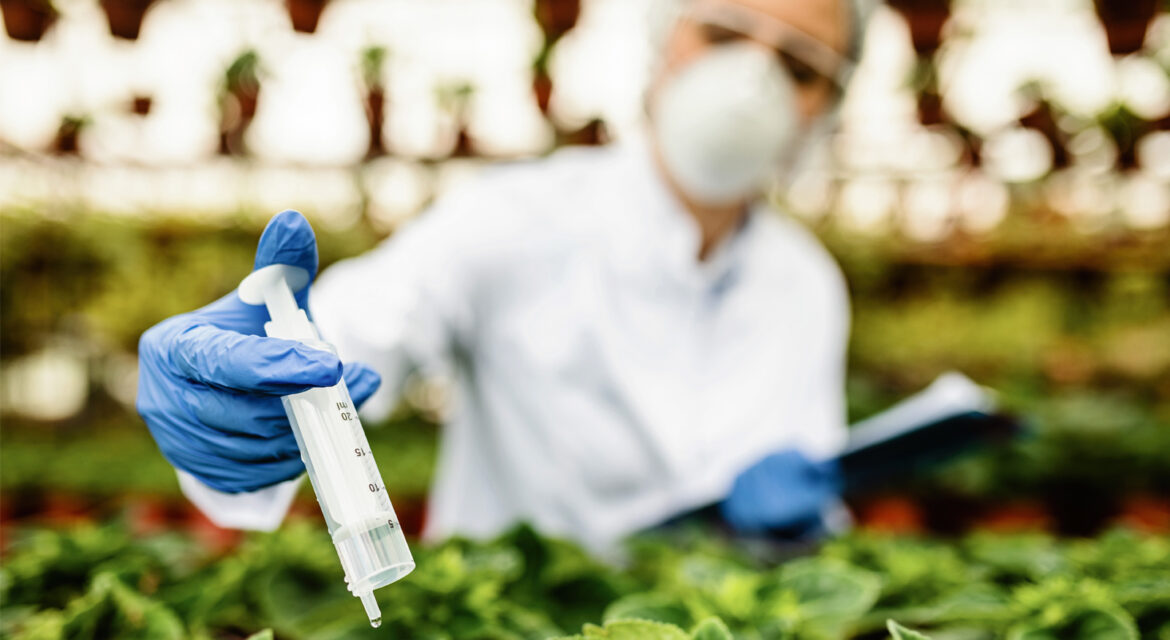
Integrated Pest Management (IPM) plays a crucial role in promoting sustainable agriculture by aiming to reduce dependence on chemical pesticides and protect the environment and public health. By combining biological, agricultural, and chemical methods, farmers can effectively control pests without harming the ecosystem or human health.
🌱 What is Integrated Pest Management (IPM)?
Integrated Pest Management (IPM) is a comprehensive approach to pest control that relies on a variety of methods to reduce the damage caused by pests. This system aims to maintain a sustainable ecological balance by using natural techniques alongside chemical pesticides when necessary.
🔍 Key Components of Integrated Pest Management (IPM):
- Regular Monitoring: Farmers should regularly monitor crops to identify pest species and their population levels. This allows informed decisions about the necessary actions to take.
- Using Microorganisms: Predatory insects, fungi, or bacteria that attack pests can be used as a biological method to reduce pest spread.
- Agricultural Measures:
- Crop Rotation: Changing crops periodically to prevent pest reproduction.
- Resistant Varieties: Planting pest-resistant crop varieties.
- Balanced Fertilization: Avoiding excessive fertilization that can create a favorable environment for pests.
- Using Pesticides with Caution: Chemical pesticides are used only when pest populations are extremely high, and safety guidelines must be strictly followed during application.
🌍 The Importance of IPM in Sustainable Agriculture
- Environmental Conservation:
- IPM reduces negative environmental impacts like water and soil pollution.
- It helps preserve biodiversity by minimizing the use of harmful chemical pesticides.
- Human Health:
- It reduces direct exposure to pesticides, lowering health risks for farmers and consumers.
- Economic Sustainability:
- It reduces the cost of purchasing and using chemical pesticides, making farming more economically efficient in the long term.
- It enhances crop productivity by improving the overall health of the agricultural ecosystem.
✅ Conclusion
Integrated Pest Management (IPM) is an effective and sustainable solution for pest control in agriculture. By thoughtfully combining biological, agricultural, and chemical methods, farmers can reduce reliance on chemical pesticides, leading to safer and more sustainable farming practices for both human health and the environment.